
Overview
Bwindi Impenetrable Forest National Park is located in southwestern Uganda and is one of the most famous safari destinations in Africa. The forest is thick and lush—true jungle scenery—where ranger guides often cut vegetation to access gorilla nesting areas.
Bwindi was declared a UNESCO World Heritage Site in 1994 due to its rich biodiversity and because it is home to about half of the world’s remaining mountain gorillas. The park covers 321 km² of forest, with steep valleys, ridges, and hilltops.
Because of the canopy and altitude (1160m–2607m), the weather can be chilly—carry warm clothing for evenings and long-sleeved shirts/trousers for trekking.
Gorilla Families & Sectors
Gorilla trekking happens from different trailheads. Know your allocated sector before booking accommodation. Bwindi’s main sectors are: Buhoma, Ruhija, Rushaga, and Nkuringo. There are currently around 22 gorilla families habituated for tourism.
Wildlife in Bwindi
Animals & Primates
Bwindi is home to about 120 mammal species, many rarely seen due to dense vegetation.
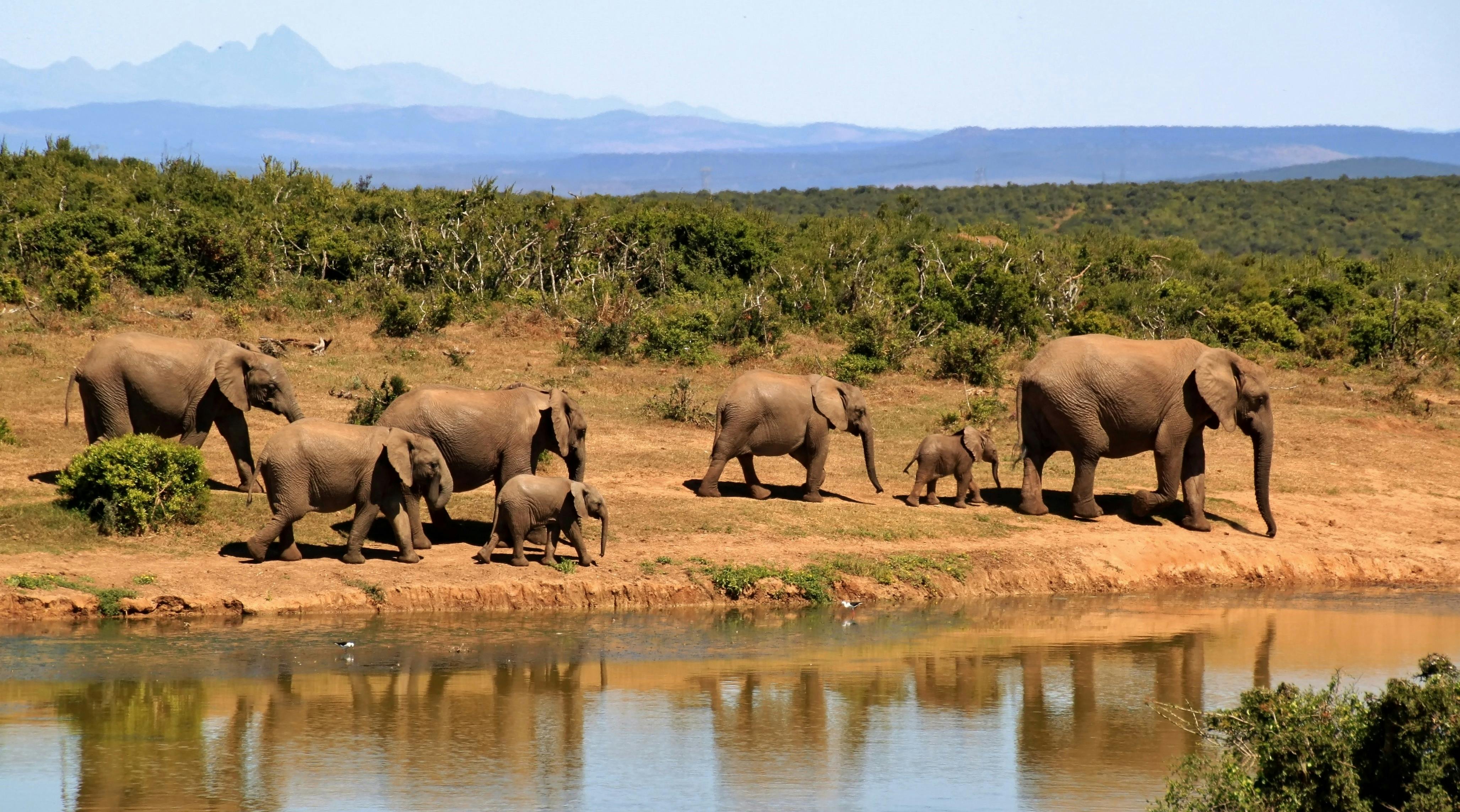
- Elephants, buffaloes, duikers, bush pigs, giant forest hogs
- Golden cats, civets, otters, bats and rodents
- 11 primate species including colobus monkeys, L’Hoest’s, De Brazza, red-tailed, blue monkey, baboons, chimpanzee
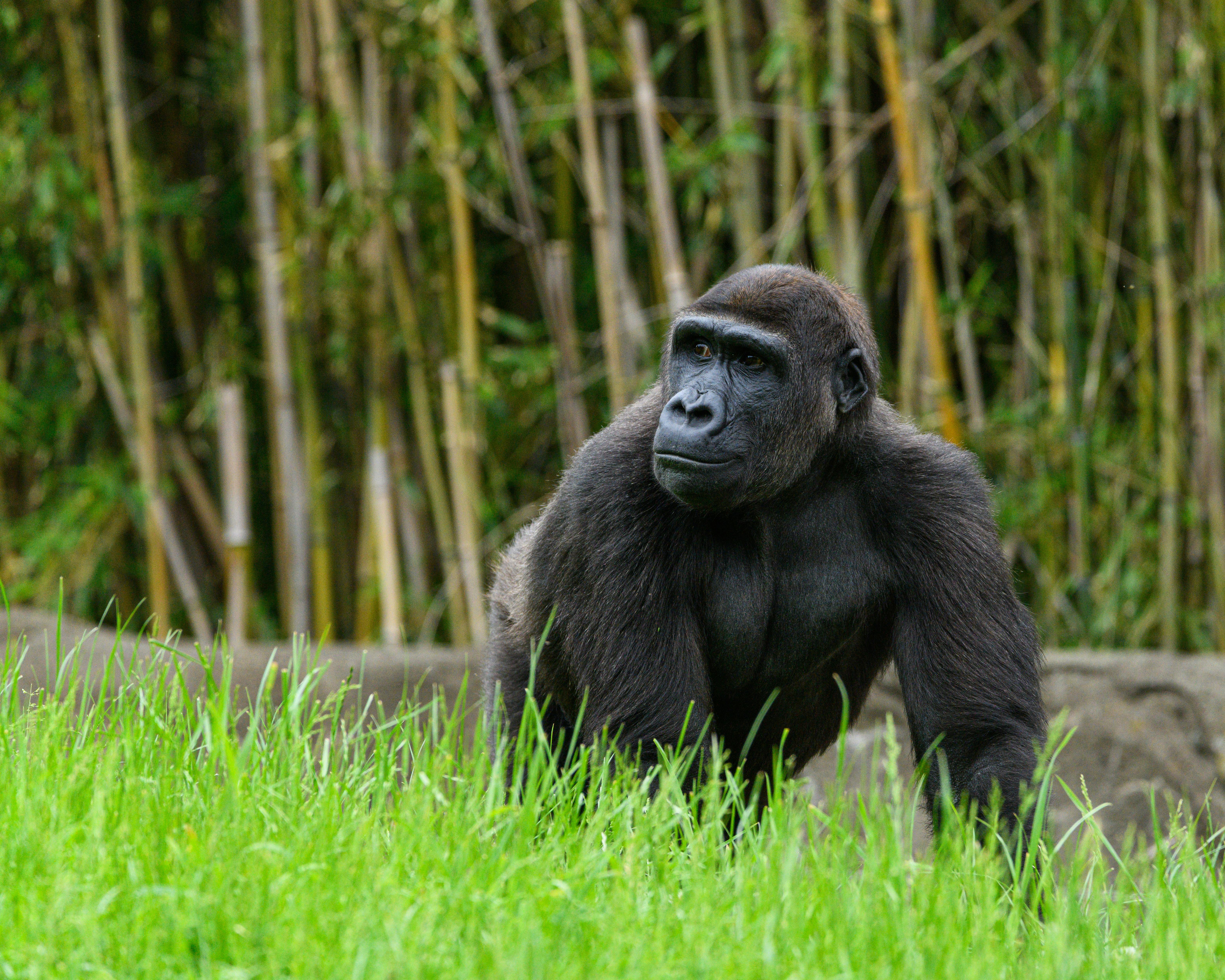
- And the gentle giants: mountain gorillas
Birds, Butterflies & Amphibians
Birds
Bwindi hosts about 350 bird species, including 23 Albertine Rift endemics (14 found nowhere else in Uganda). Notable species include Grauer’s broadbill, Chapin’s flycatcher, Shelley’s crimson-wing, and many sunbirds and turacos.
Birding hotspots include Mubwindi Swamp (Ruhija), “The Neck” (connecting Ruhija to Buhoma), and Buhoma trails like the waterfall trail.
Butterflies & Amphibians
Bwindi has 200+ butterfly species (including Albertine Rift endemics) and a rich amphibian and reptile community: around 27 amphibian species (11 endemic), plus various snakes and lizards.
Safaris & Activities
Gorilla Tracking
Gorilla tracking is done daily with a permit from Uganda Wildlife Authority. Booking permits at least 3 months in advance is strongly advised (especially in high season).
- Only 8 visitors (15+ years) per gorilla family per day
- Keep at least 8m distance; no flash photography
- Wear long-sleeved clothing, boots, carry rain poncho, water & snacks
- Consider hiring a porter—terrain can be tough
Bird Watching
Bwindi is one of Uganda’s best birding destinations. If you’re choosing just one park for birding—this is it. Local site guides are excellent, especially for endemics.
Nature & Waterfall Walks
There are multiple trails for different interests. Walk with an armed ranger guide for safety and guidance. Popular routes include Buhoma–Nkuringo (4–5 hours), Rushura Hill, Muyanga waterfall walk, Ivi River Walk (14km, ~7 hours), and Muzubijiro Loop (6km).
Mountain Biking & Hiking
The Kigezi region is naturally scenic and hilly. Many lodges can help you hire bikes or connect you to community trails (e.g., the Ivi River trail supported by “Ride 4 a Woman”).
Community & Cultural Experiences
Enjoy Batwa cultural encounters, community eco-trails, craft markets, village visits, and local food experiences. Buhoma community tours may include schools, traditional healers, handcraft shops, and banana juice/beer/gin tasting.
Accessing Bwindi
Flights: Entebbe → Kihihi (for Buhoma) or Entebbe → Kisoro (for Ruhija/Nkuringo/Rushaga). Flights also depart from Kajjansi Airfield.
By road: Routes depend on your sector: Kampala → Kabale → Ruhija OR Kampala → Ntungamo → Rukungiri → Kihihi → Buhoma/Nyondo OR Kampala → Kabale → Kisoro → Rushaga/Nkuringo.