Park area
~795 km²

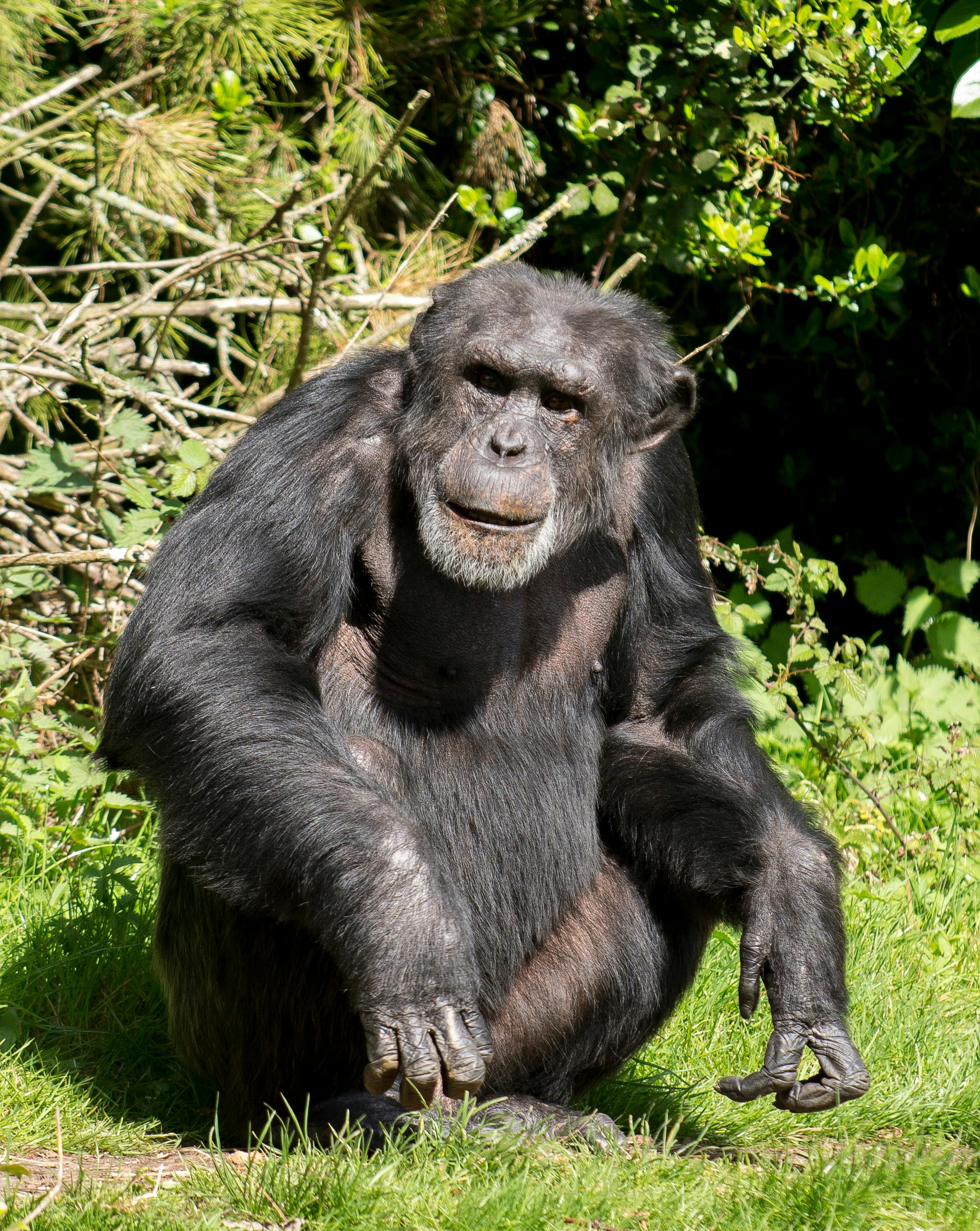
Kibale is Uganda’s top destination for chimpanzee trekking — a lush tropical rainforest often called the “Primate Capital of East Africa”, with 13 primate species and outstanding birding.
Kibale National Park is a beautiful mosaic of tropical rainforest and mixed habitats in western Uganda, slightly off the Equator. Temperatures typically range between 14–27°C, making it pleasantly cool.
It’s home to an estimated 1,450+ chimpanzees within an area of about 795km². Chimpanzees have been habituated here for decades, giving visitors an excellent chance to see them in the wild.
Kibale’s main draw is primates — but the forest also supports mammals, birds, butterflies, reptiles and amphibians.
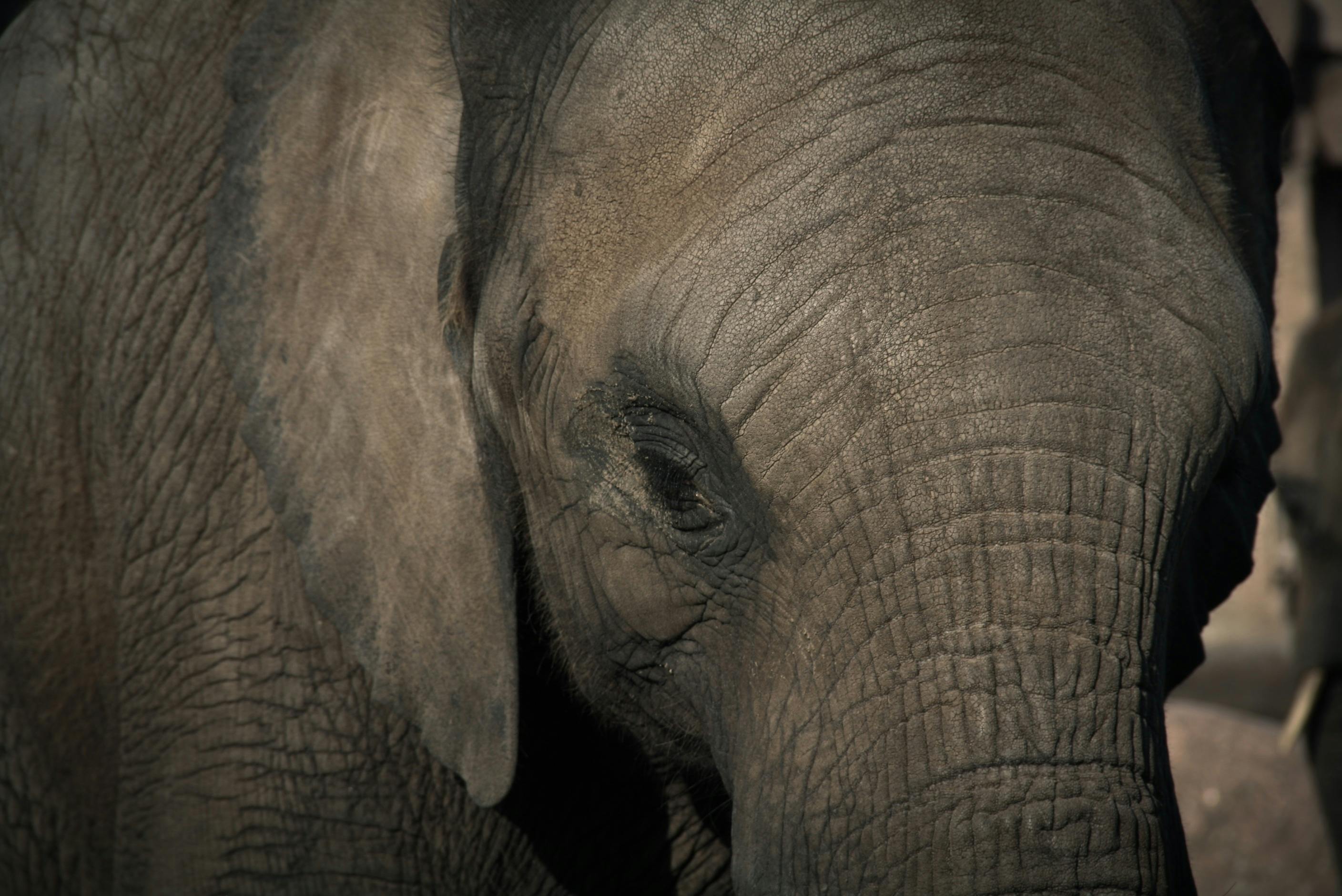
Kibale’s mammals (estimated ~60 species) include leopards, duikers, forest elephants, forest buffaloes, golden cats, warthogs and bush pigs. Forest animals can be shy, so you may often see tracks and signs.
Kibale hosts 13 primate species including bush babies, L’Hoest’s monkey, red colobus, red-tailed monkey, black-and-white colobus, grey-cheeked mangabey, olive baboon, blue monkey, vervet monkeys and potto.
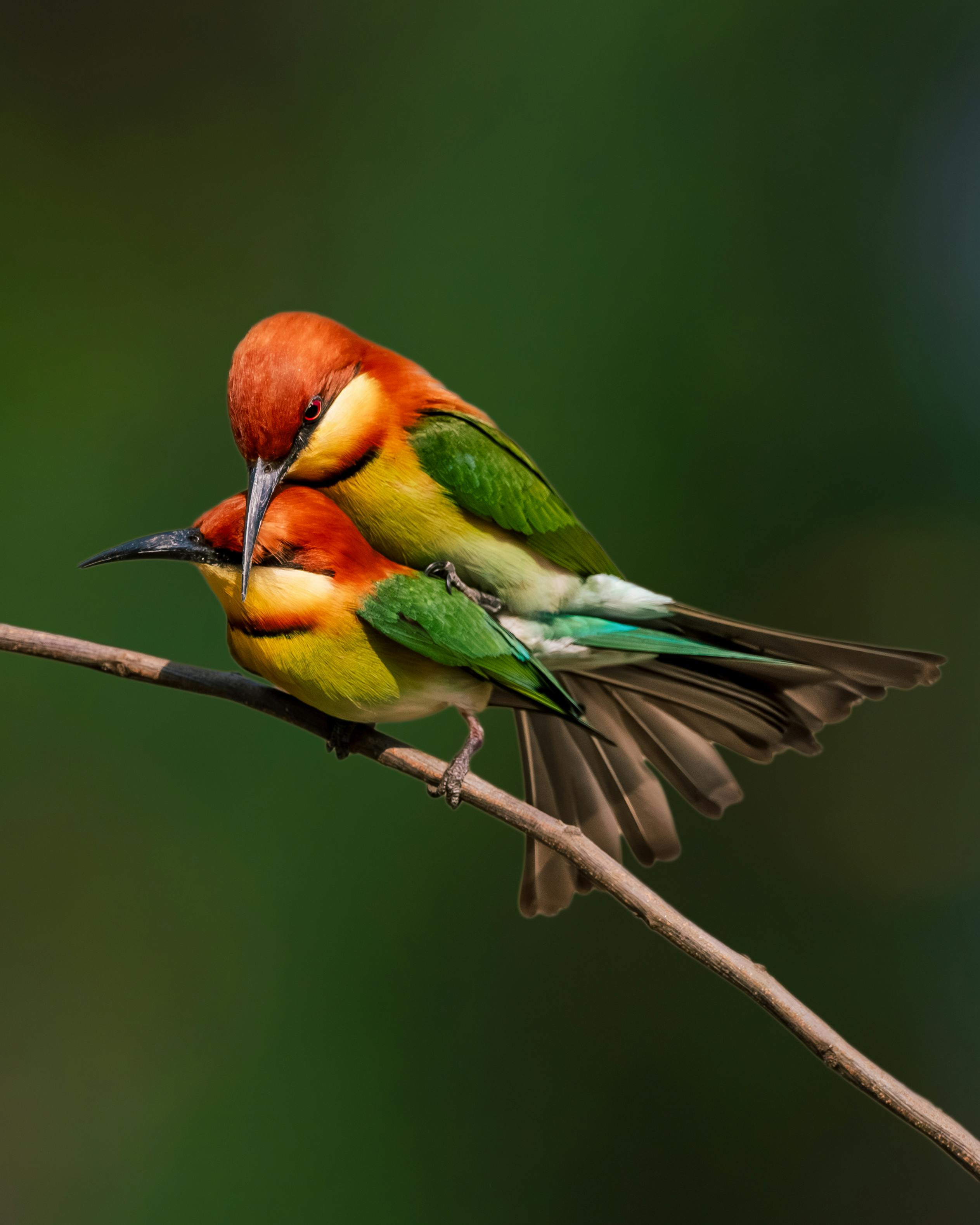
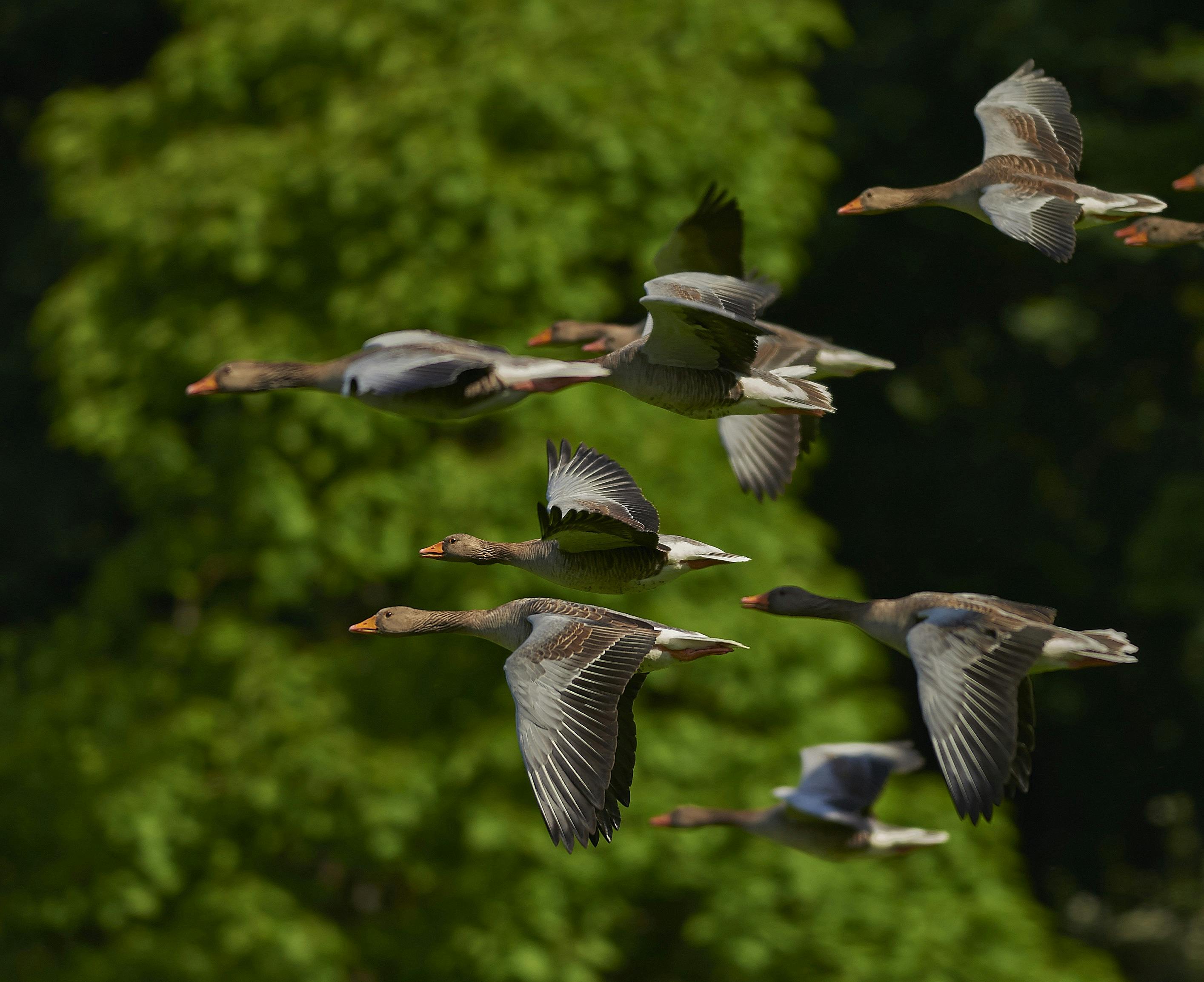
Kibale is home to 375+ bird species (including Albertine Rift endemics). Birding is best early morning and late evening. One of the most sought-after species is the Green-breasted Pitta.
Other species include red-chested owlet, purple-breasted sunbird, African grey parrot, blue-breasted kingfisher, crowned eagle, Nahan’s francolin, yellow-throated nicator, and more.
The park also supports 250+ butterfly species, plus reptiles and amphibians. You’ll notice butterflies easily as you walk through the forest, especially on sunny patches along trails.
Choose from classic chimp trekking, full-day habituation, birding walks, night walks and community experiences.
Treks happen twice daily (8:00am and 2:00pm). Morning is highly recommended. Rangers brief you before the trek, and trackers locate the chimp group to guide you.
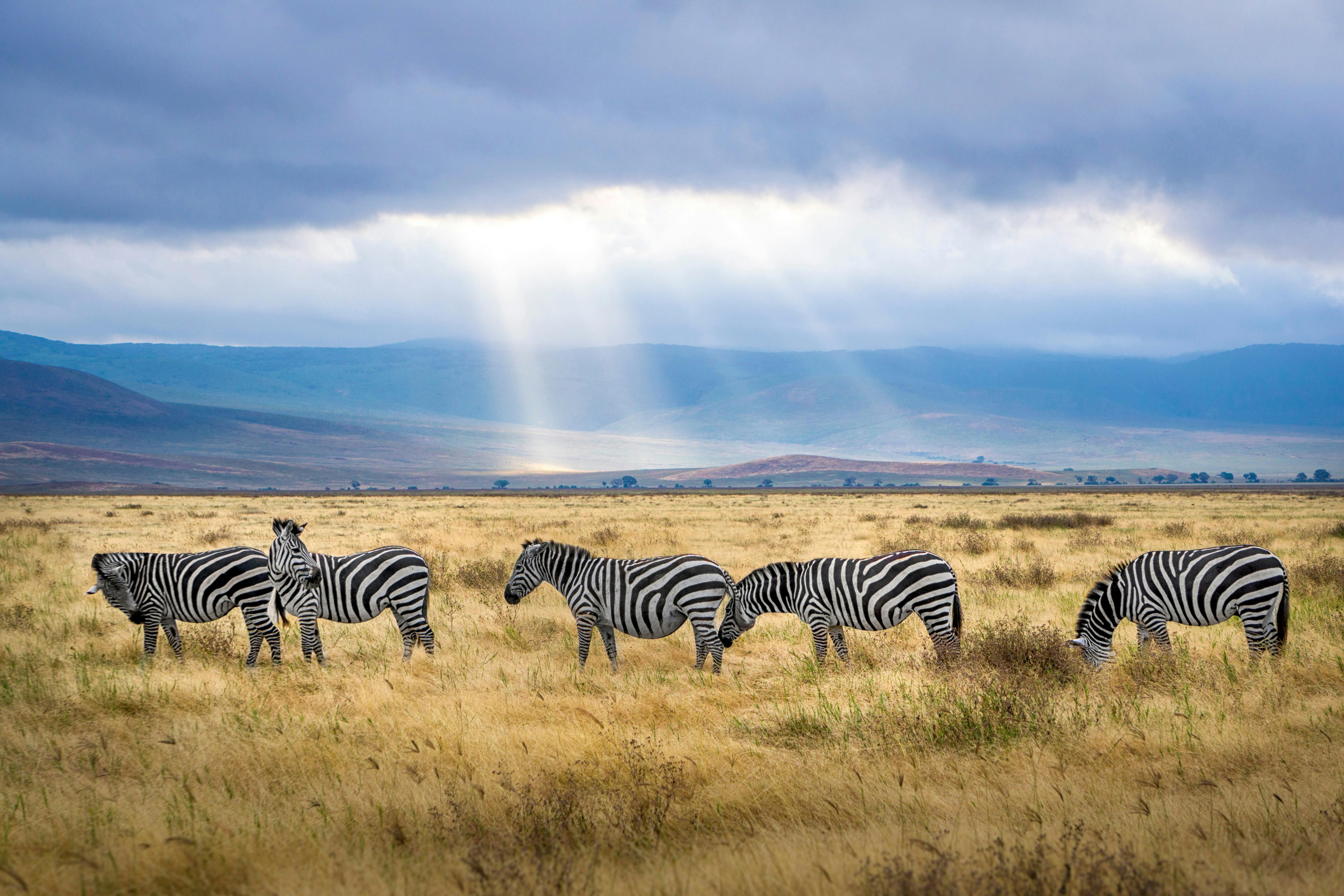
Join rangers and research staff to observe a chimp community from early morning as they leave nests and begin feeding, moving, hunting, and social behaviour. This offers deeper immersion than standard trekking.
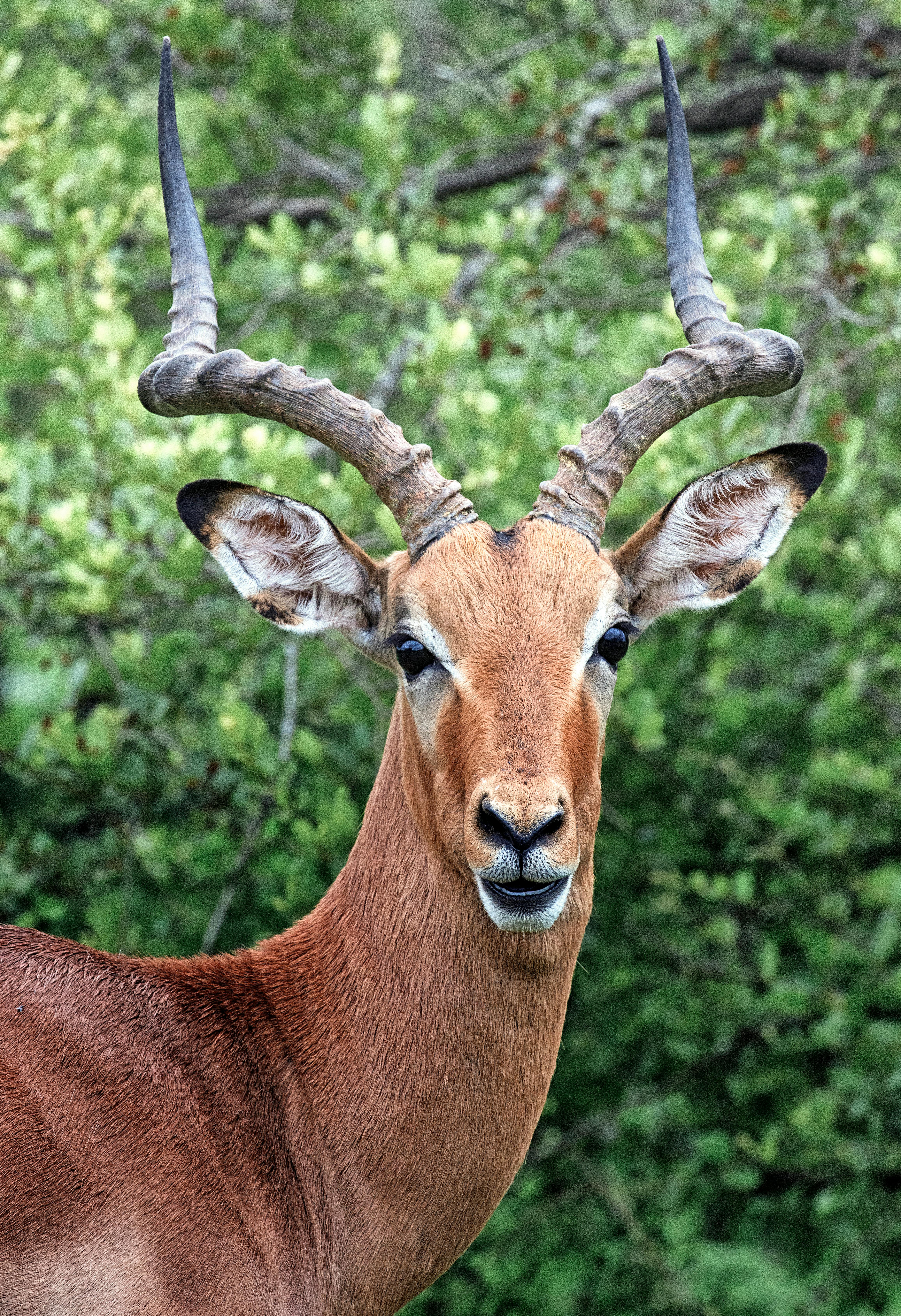
Bird walks typically start at 7:00am and should be booked in advance. The top target for many birders is the Green-breasted Pitta, plus numerous Albertine Rift specials.
Consider a longer forest hike (up to 12km) to absorb the wider ecosystem. Night walks (about 2.5 hours, starting ~7pm) can reveal bush babies, hyrax, potto, and occasionally serval cat or civet.
Visit Bigodi Wetland Sanctuary (community-run), Magombe swamp, women’s craft groups, local schools, and enjoy traditional meals. These experiences directly support local livelihoods.
Travel by road from Kampala via Fort Portal (recommended direct route), or fly in to Kasese airstrip then drive to Kibale.
Share your dates and travel style — we’ll plan the perfect chimp + Bigodi + birding combo.