
Kidepo Valley National Park is one of Uganda’s most spectacular and remote parks tucked in the northeastern corner bordering Kenya and South Sudan. The park covers an area of 1,442 square kilometers and has an altitude ranging between 914m and 2750m. Kidepo Valley harbors scenery that is not in any other parks in East Africa. The park has a semi-arid climate with one rainy season in the months of April – September.
The park has two rivers: Narus River and Kidepo River, and both are seasonal. In the dry season they dry out, leaving water mainly in wetlands and remnant pools along the Narus valley. Stroll along the Kidepo River in the dry season and enjoy its 50m bed of white sand between banks covered by borassus palm trees. During the rainy season, the river can be heavily flowing — a unique setting.
Wildlife in Kidepo Valley National Park
Animals in Kidepo National Park
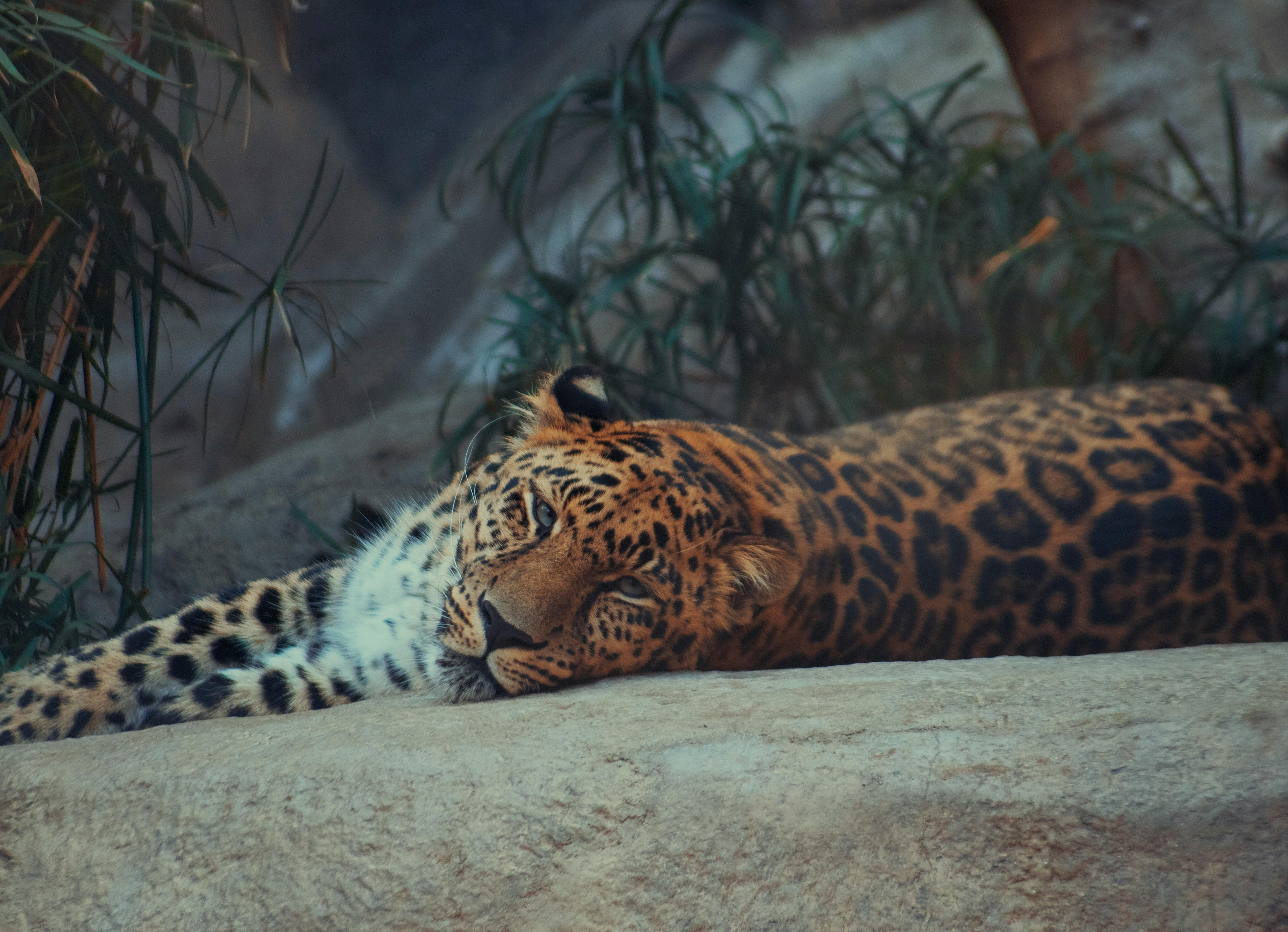
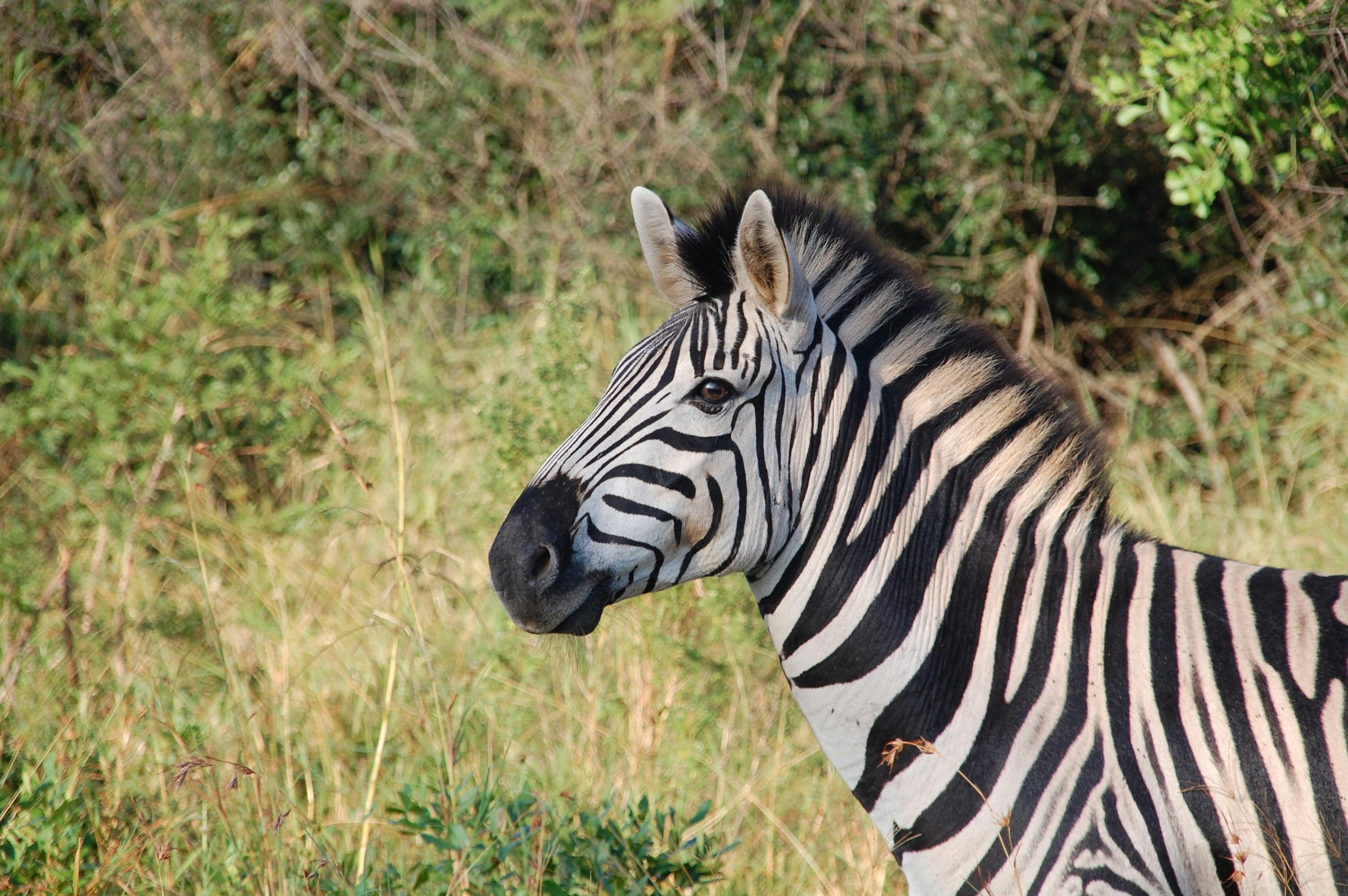
- Kidepo Valley National Park is one of Africa’s most magnificent wildernesses. The park boasts 77 species of mammals including: Elephants, Rothschild’s giraffe, Burchell’s Zebra, Oribi, Klipspringer, Bohor Reedbuck, Eland, Hartebeest, Lion, Hyena, Cheetah, Leopard, striped jackals and large herds of Cape buffalo. Some species are not found in other parks such as Cheetahs, Eland and Kudu. On occasion, you may sight a white-eared Kob from neighboring South Sudan.
Birds in Kidepo Valley National Park
The park is rich in birdlife with about 465 bird species, some of which are mainly in Kidepo and the Karamoja region. Look out for Ostrich, Secretary bird, Little green bee-eater, Kori bustard, Pygmy falcon and Karamoja Apalis. Kidepo is notable for birds of prey including Verreaux’s eagle, Egyptian vulture, and pygmy falcon.
Safaris and Activities in Kidepo Valley National Park
Areas of Interest
Apoka Tourism Centre – Great views overlooking the game rich Narus valley.
Kidepo Valley – stroll along 50m wide bed of white sands in the dry season, and a river in the rainy season.
Kanangorok Hot Springs – a good picnic place with impressive views of the mountains and ostriches roaming the area.
Mount Morungule – home to the Ik people, one of the smallest ethnic groups in Uganda.
Namamukweny Valley – meaning “a place with no birds” though inhabited by many bird species.
Lamoj Hills – Great spot for viewing mountain reedbuck among other wildlife.
Game Drives
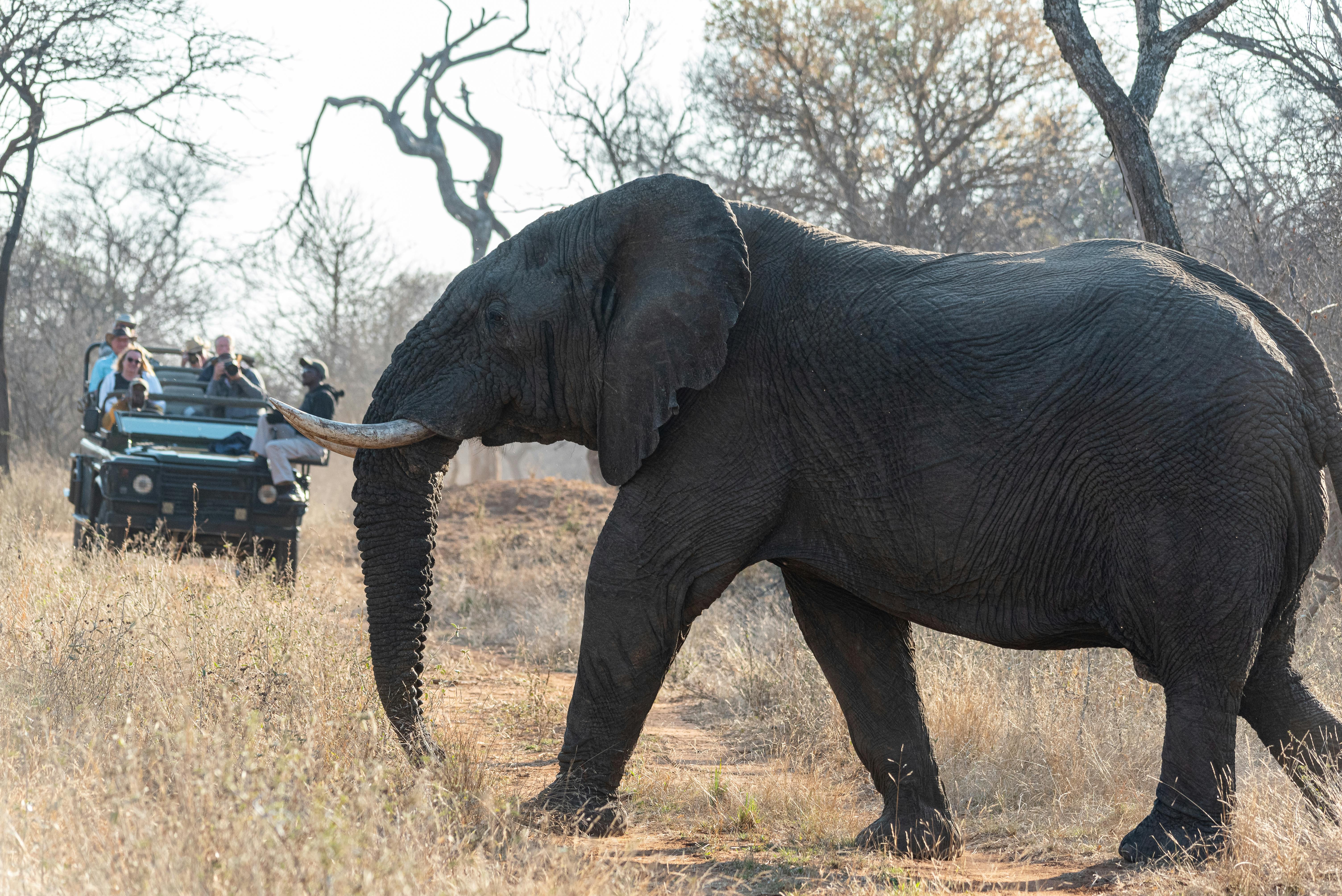
- The major activity is game drives in search of the park’s various animals and plants. Best times are early morning (around 6am) or later evening (around 5pm). Most drives are done in the Narus valley because it has water much of the year, so animals congregate there. Visit the Katurum kopje for superb views across the valley.
Bird Watching
Birding is a pleasure in Kidepo. Start from the Apoka rest camp and proceed to the fringes of the Narus and Namamukweny valleys. The savannah setting makes it easy to spot birds as you move along. Birding is best in the morning or evening.
Nature and Hiking Walks
The most common hikes are to the Lamoj mountains (about 4 hours). Nature walks also include a 2-hour walk in Narus valley (about 5km), or a longer 6-hour walk to Namamukweny valley for scenery.
Community Walks and Cultural Experiences
Karamoja has rich cultures of the Karamojong and Ik tribe. The Ik are among the most isolated groups living on Mount Morungole. A visit to Karamojong homesteads offers a glimpse into pastoral lifestyles, food, dance, and crafts.
Accessing Kidepo Valley National Park
The journey from Kampala is long but rewarding as you move along different vegetation and tribal lands.
Kampala – Mbale – Soroti – Moroto – Kidepo OR Kampala – Mbale – Sironko – Kotido – Kaabong – Kidepo OR Kampala – Gulu – Kitgum – Kidepo
You can also take scheduled or chartered flights from Entebbe to Kidepo.